
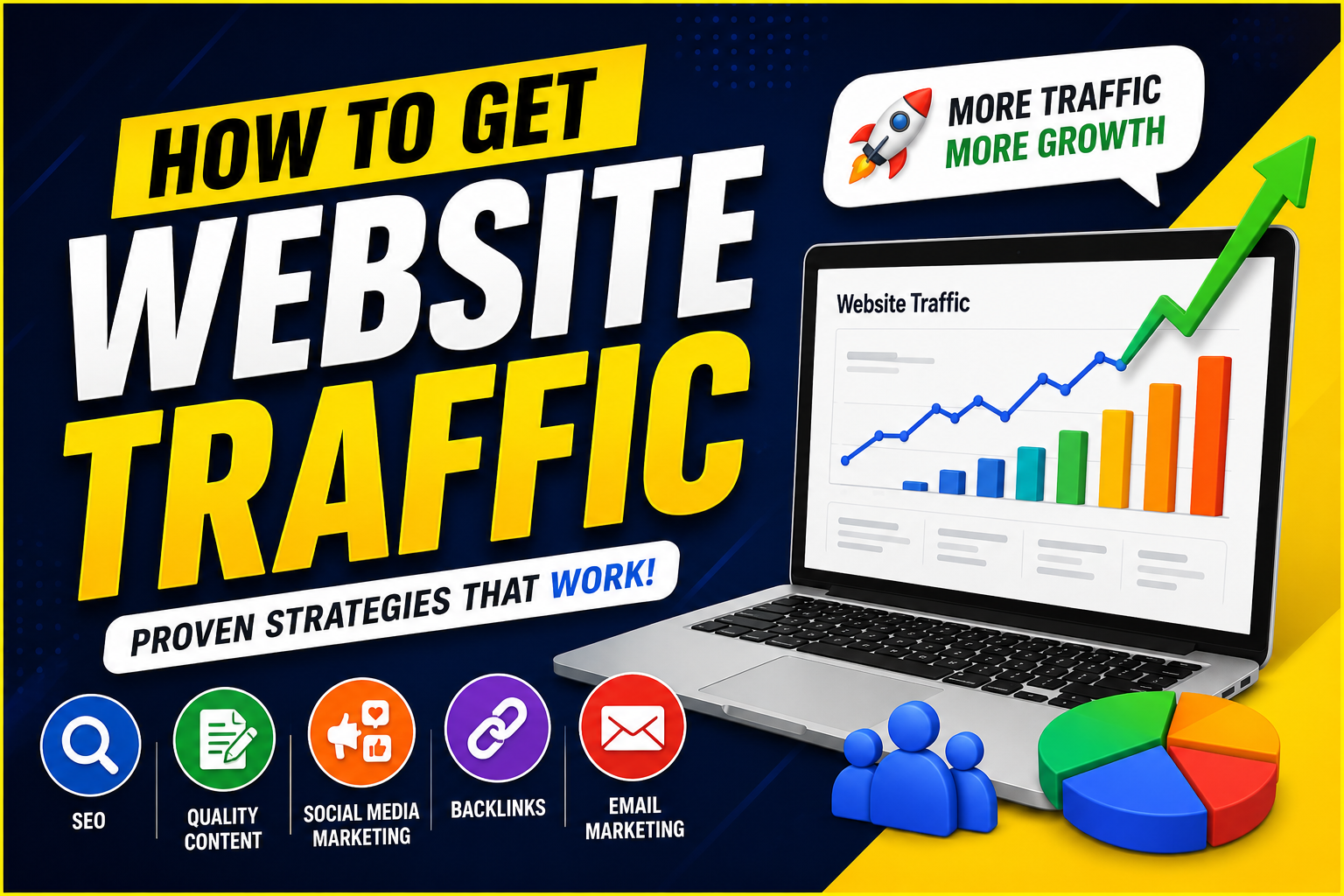
Growing website traffic organically (without paying for ads) is about building a compounding asset. While paid ads stop the second you stop paying, organic traffic continues to grow over time if you build a strong foundation.
Here are the most effective, high-impact strategies to increase organic traffic, moving beyond the basics into what works best in the current digital landscape.

1. Build “Topical Authority” (The Pillar-Cluster Model)
Google no longer ranks websites based on single, isolated keyword matches. It ranks websites that it views as “authorities” on a specific subject.
- The Strategy: Create a “Pillar Page” (a massive, comprehensive guide on a broad topic) and link it to several “Cluster Pages” (highly specific articles answering niche questions about the broad topic).
- Example: If you sell coffee, your Pillar Page might be “The Ultimate Guide to Brewing Coffee.” Your Cluster Pages would be “How to use a French Press,” “Best Water Temperature for Pour-Over,” and “AeroPress vs. Chemex.”
- Why it works: Interlinking these pages tells Google your site is the ultimate resource for that topic, boosting the rankings of all the pages involved.
2. Historical Optimization (Updating Old Content)
This is often the fastest way to get an organic traffic spike. Instead of always writing new articles, audit the content you already have.
- The Strategy: Find blog posts that are currently ranking on Page 2 or Page 3 of Google, or older posts that have lost traffic over the last year.
- The Action: Update the statistics to the current year, add new sections, improve the images, add a video, and optimize the meta title and description to improve the Click-Through Rate (CTR). Republish it with today’s date.
- Why it works: Google already knows and trusts the URL. Giving it a fresh, comprehensive update is often all it needs to push it to Page 1.
3. Target “Zero-Click” and Featured Snippet Searches
Many searches today result in a “zero-click” because Google displays the answer right at the top of the page (the Featured Snippet). You want your website to be that answer.
- The Strategy: Look for “Question” keywords (Who, What, Where, Why, How).
- The Action: In your blog post, include the exact question as an H2 header. Immediately below it, provide a concise, 40-60 word direct answer. Follow that with a more detailed explanation.
- Why it works: If Google selects your 50-word definition for the Featured Snippet, you steal massive visibility from your competitors, driving high-intent traffic to your site.
4. Leverage “Search-Based” Social Platforms (YouTube & Pinterest)
Most people use Instagram and TikTok for entertainment, but they use YouTube and Pinterest as search engines.
- YouTube: It is the second-largest search engine in the world. Create “How-to” and tutorial videos related to your niche. YouTube videos frequently rank on the first page of Google search results, especially for visual or complex topics. Always put a link to your website in the first line of the description and in a pinned comment.
- Pinterest: If your niche is visual (home decor, fashion, recipes, fitness, travel, B2B infographics), Pinterest is a goldmine. Pins have a much longer lifespan than tweets or Instagram posts (often driving traffic for months or years) and link directly to your website.
5. Digital PR and Original Research (For Backlinks)
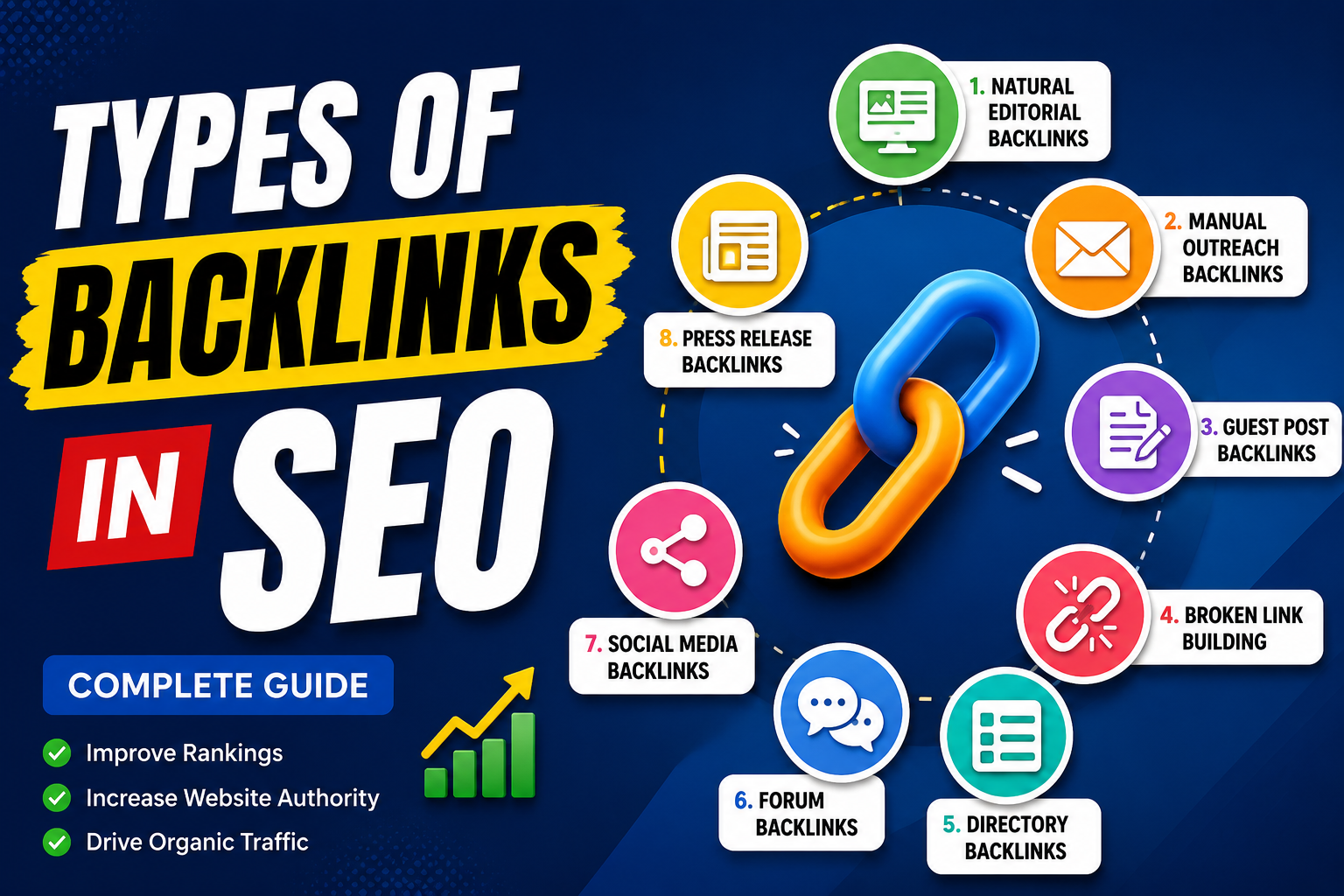
Backlinks (other sites linking to yours) are one of Google’s top ranking factors. The best way to get them organically is to give other writers and journalists something they need to cite.
- Run a Survey or Data Study: Survey your audience or analyze public data to find a surprising trend in your industry. Publish the findings on your site. Journalists love citing original data and will link back to your site as the source.
- Use HARO / Connectively / Qwoted: Sign up for these free services. Reporters from major publications (Forbes, NYT, HuffPost) post queries looking for expert quotes. If you provide a great quote, they will include your name and a backlink to your website in their article.
6. Engineering as Marketing (Free Tools)
Instead of just writing articles, build free, interactive tools.
- Examples: An ROI calculator, a free Notion template, an industry-specific checklist generator, or a color palette tool.
- Why it works: People bookmark tools and share them with their colleagues much more often than they share blog posts. Furthermore, free tools naturally attract massive amounts of organic backlinks from other bloggers and resource pages, skyrocketing your domain authority.
7. “Value-First” Community Infiltration
You can drive highly targeted traffic from Reddit, Quora, and niche Facebook/Discord groups, but you will be banned if you just drop links.
- The Strategy: Copy your best blog post and paste it directly into a Reddit thread or Quora answer so the user gets 100% of the value without leaving the platform.
- The Hook: At the very bottom, say: “I actually put together a massive spreadsheet/database with 50 more examples like this. You can grab it for free on my site here: [Link].”
- Why it works: Moderators allow it because you provided immense value upfront, and users click the link because you’ve already proven you know what you are talking about.
📊 How to Prioritize Your Strategy
If you are overwhelmed, follow this timeline based on the age of your website:
- Months 1-3 (The Foundation): Focus entirely on Topical Authority (Pillar/Cluster content) and basic On-Page SEO. You need a library of content for Google to index.
- Months 3-6 (The Push): Start Historical Optimization of your early posts and begin answering questions on Reddit/Quora to drive referral traffic while waiting for SEO to kick in.
- Months 6+ (The Scale): Launch Digital PR campaigns, build Free Tools, and start a YouTube channel to capture secondary search traffic and build high-tier backlinks.
Note: Organic SEO takes time. It usually takes 3 to 6 months for a new piece of content to reach its peak traffic. Consistency is your biggest advantage.
website traffic mistakes
How to Prioritize (Decision Framework)
| If you need… | Focus on… | Timeline |
|---|---|---|
| Immediate sales/leads | Paid Search + Retargeting | Days–Weeks |
| Sustainable growth | SEO + Content Marketing | 3–12 Months |
| Brand building | Social Media + Video | Ongoing |
| Audience retention | Email Newsletter | Ongoing |
| Authority/Credibility | Digital PR + Backlinks | 1–6 Months |
Critical Metrics to Track
Traffic quantity means nothing without quality. Monitor:
- Engagement Rate / Dwell Time: Are visitors actually consuming content?
- Bounce Rate: Is your landing page relevant to the traffic source?
- Conversion Rate: Are visitors taking desired actions?
- Traffic Sources: Diversify so no single channel accounts for >50% of traffic.
Common Mistakes to Avoid
❌ Chasing viral trends unrelated to your niche ❌ Publishing thin, AI-generated content without human editing ❌ Ignoring analytics and doubling down on failing strategies ❌ Expecting SEO results in weeks instead of months ❌ Buying fake traffic or bot clicks (will destroy your domain reputation)
What type of website do you have? I can provide much more specific recommendations if you share your niche, current traffic level, and primary goal (e.g., e-commerce sales, SaaS signups, ad revenue, lead generation).